What Do You Do For An Electrical Fire?
Electrical Fire Safety: What to Do (And What NOT to Do) in an Emergency
This article will answer these questions for you:
- What is the very first thing I should do if I see an electrical fire?
- Why is it dangerous to use water on an electrical fire?
- When is it safe to cut the power to my house during a fire?
- What specific type of fire extinguisher works on electrical fires?
- Is it safe to use a regular blanket to smother the flames?
- Should I try to unplug a burning appliance?
- What steps should I take after the fire is extinguished?
- What are the warning signs that an electrical fire might happen soon?
An electrical fire is a homeowner's nightmare. It's sudden, frightening, and can spread with alarming speed. But did you know that reacting to an electrical fire incorrectly—even with good intentions—can make the situation far worse?
Unlike a standard fire involving wood or paper, an electrical fire is fueled by an energized power source. This critical difference means your response must be different. Knowing the right steps to take in those first few crucial seconds can save your property and, most importantly, lives.
At Bay Area Lighting, your safety is our priority. We've put together this essential guide on how to respond to an electrical fire in your home.
Immediate Actions: The "DOs" of Electrical Fire Response
If you see flames, smoke coming from an outlet, or smell burning plastic, take these actions immediately. Your primary goal is getting everyone out safely.
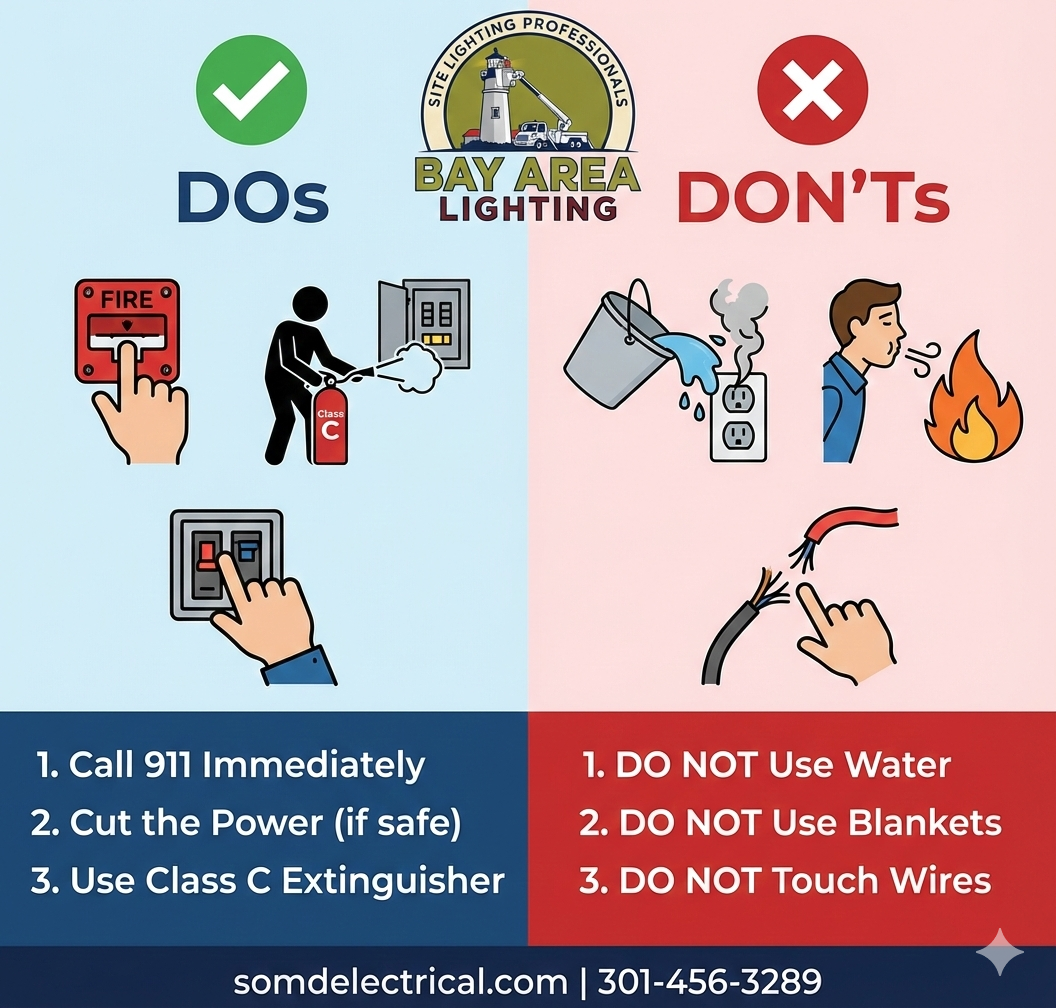
1. Call 911 and Evacuate Immediately
Do not try to be a hero. If the fire is large, spreading rapidly, or you are unsure about your ability to contain it, get everyone out of the house instantly. Call 911 from a safe location outside. Firefighters are trained and equipped to handle these dangerous situations.
2. Cut the Power Source (Only If Safe)
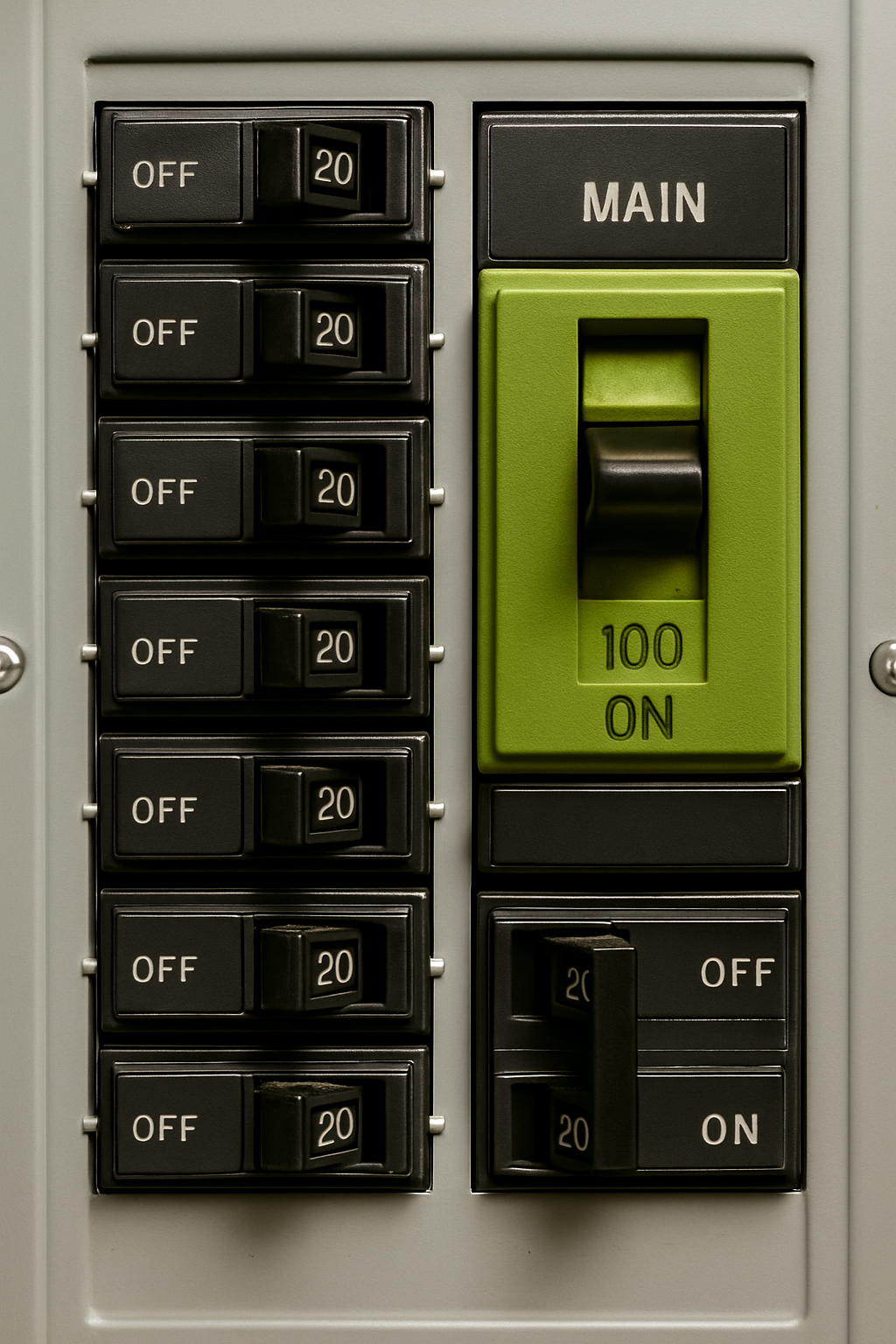
If the fire is small and contained (e.g., a single appliance is smoking) and you can safely reach your main electrical panel without going near the fire, turn off the main breaker. Cutting the power removes the energy source feeding the fire, which may cause it to die down on its own.
- WARNING: Never attempt to reach the breaker panel if you have to walk through smoke, flames, or puddles of water.
3. Use the Right Fire Extinguisher
If the fire is small, you have a clear escape route, and you have the correct extinguisher, you can attempt to put it out. You must use a Class C fire extinguisher, which is specifically designed for electrical fires. Most home extinguishers are multi-purpose (labeled A-B-C) and are safe to use.
- How to use it: Remember the PASS acronym:
- Pull the pin.
- Aim at the base of the fire.
- Squeeze the handle.
- Sweep from side to side.
If you don't have a fire extinguisher, baking soda can be used to smother a very small kitchen electrical fire, but it's far less effective.
Critical Mistakes: The "DON'Ts" That Could Cost You
This is the most important part of this guide. Instincts can lead you astray during an electrical fire.
1. NEVER Use Water
This is the single biggest mistake people make. Water is an excellent conductor of electricity. Pouring water on an energized electrical fire can cause a severe, potentially fatal, electric shock to you and anyone standing nearby. It can also cause the fire to spread explosively.
2. NEVER Use a Standard Blanket or Towel
Trying to smother an electrical fire with a regular blanket can backfire. The fabric can easily catch fire, adding more fuel to the flames. Only use a specialized fire blanket if you have one and know how to use it.
3. Never Touch a Burning Appliance or Cord
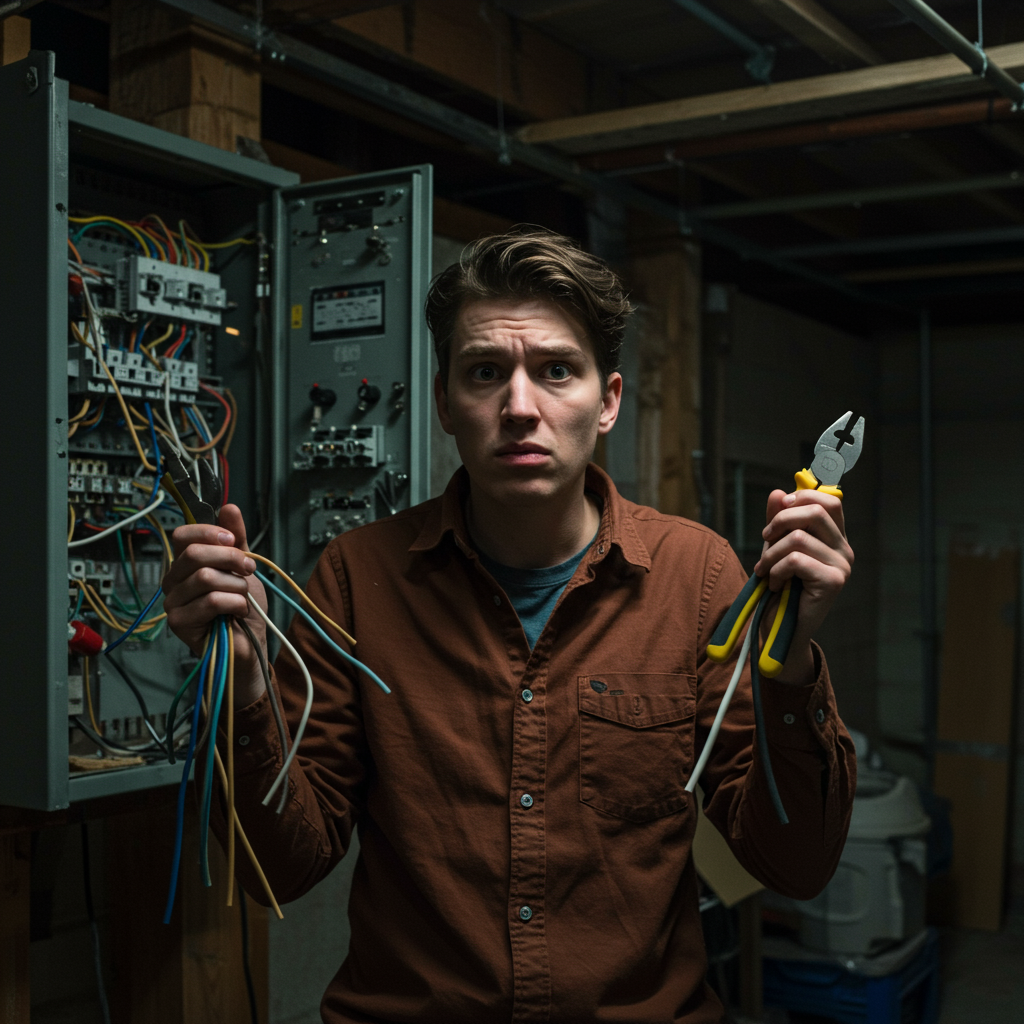
Do not try to unplug a burning appliance or touch frayed, smoking wires. You risk severe burns and electrocution. Your focus should be on cutting the power at the source (the breaker) or getting out.
After the Smoke Clears: What’s Next?
Once the fire is out, the danger isn't over.
- Do NOT Turn the Power Back On: Even if the fire seems out, the wiring inside your walls or the appliance itself has likely been damaged. Re-energizing compromised wiring is a massive fire risk.
- Call a Licensed Electrician Immediately: Before you even think about flipping that breaker back on, you need a professional assessment. An expert electrician must inspect the circuit, outlets, and any affected wiring to ensure they are safe.
Prevention is the Best Protection For Electrical Fires
The best way to handle an electrical fire is to prevent one from happening in the first place. Be alert to the warning signs your home may be giving you:
- Flickering or dimming lights.
- Circuit breakers that trip frequently.
- Outlets or switches that feel warm to the touch.
- A persistent, unexplained smell of burning plastic.
If you notice any of these red flags in your Southern Maryland home, don't wait for an emergency.
Contact the professionals at Bay Area Lighting today. We offer comprehensive electrical safety inspections to identify and fix potential hazards before they become disasters.
Frequently Asked Questions About Electrical Fires
What is the very first thing I should do if I see an electrical fire?
Your immediate priority is safety. Evacuate the house and call 911. Do not try to fight a large or rapidly spreading fire yourself.
Why is it dangerous to use water on an electrical fire?
Water is a conductor of electricity. Pouring water on an electrical fire can create a path for the current to travel back to you, causing severe shock or electrocution. It can also cause the fire to spread.
When is it safe to cut the power to my house during a fire?
You should only attempt to turn off the main breaker if you can reach the electrical panel safely without walking through smoke, flames, or water. If the path isn't clear, get out immediately.
What specific type of fire extinguisher works on electrical fires?
You need a Class C fire extinguisher. Most home extinguishers are labeled A-B-C, meaning they are safe for effective use on trash/wood, liquids, and electrical equipment.
Is it safe to use a regular blanket to smother the flames?
No. Standard blankets and towels are flammable and can add fuel to the fire. Only use a designated fire blanket if one is available.
Should I try to unplug a burning appliance?
No. Touching the cord or the appliance puts you at high risk of burns and electric shock. It is safer to cut the power at the breaker panel if possible.
What steps should I take after the fire is extinguished?
Do not turn your power back on. The wiring or appliance that caused the fire is likely damaged and dangerous. Call a licensed electrician to inspect your home before restoring power.
What are the warning signs that an electrical fire might happen soon?
Common warning signs include flickering lights, breakers that trip frequently, outlets that feel hot to the touch, or a persistent smell of burning plastic or fish. If you notice these, call an electrician immediately.